How To Install Vst Plugins Cubase
Installing a VST without the aid of an executable file is easily enough done, if you know how.
Cubase 9 will sometimes refuse to recognize a VST plugin if both the 32-bit and 64-bit versions are installed. In order to fix this, you can remove or delete the 32-bit VST plugins.
If you’ve ever downloaded a file in zip or rar fromat or as a *dll file and not know what to do then this guide is for you.
I’m taking the presumption that you do not know what a zip or rar file is just for the benefit of those that don’t.
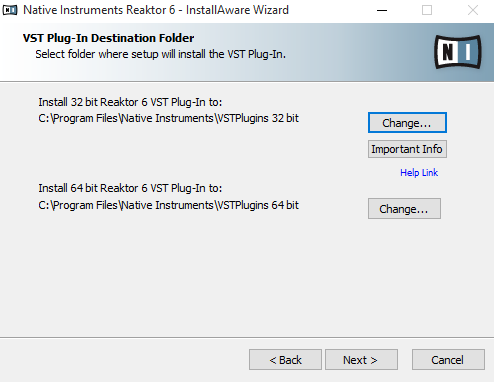
Go to my computer, click on C: drive and navigate to that folder and see if it’s there, if not then see if there’s a VST Plugins folder in C:Program Files. These are the two standard places to look. Tip: If you have two hard drives or partitions it’s an idea to create a folder here and add it to your DAWs vst folder list. —-Install. Installation directory varies between audio editors, but default directory of VST plugins is: C:Program FilesSteinbergVstPlugins or C:Program FilesCommon FilesVST. Usually audio editor's preferences will have an option for selecting your preferred VST plugin directory, so you can check out from there if the plugin is not recognized. Click the Windows 'Start' menu button. The menu will open and display a 'Search' box at the bottom. How Install VST plugins on other DAWS. Reaper: Go into Options Preferences Plug-ins VST. Click the Add button and choose the folder that your plugin is installed. Sibelius 7: Install the plugin into C:Program Files (x86)AvidVSTPlugins.
This little guide should ring true for most DAWs, In this case I know it works for Sonar, Reaper and Cubase.
For each VST instrument or effect that you install Sonar and Reaper require that you scan afterwards to find knew plugins. Cubase I’m not sure about.
[—-Tools—-]
Winrar is a small software program that allows you to uncompreess files, most VSTs come in *.zip or *. rar format winrar can open both types of file and it’s very easy to use. Download it here.
[—-Where—-]
Once you’ve installed winrar you’re next job is to locate your VST folder, if you’ve installed Cubase then it’s almost definitely C:Program FilesSteinbergVstplugins
Go to my computer, click on C: drive and navigate to that folder and see if it’s there, if not then see if there’s a VST Plugins folder in C:Program Files.
These are the two standard places to look.
[Tip:If you have two hard drives or partitions it’s an idea to create a folder here and add it to your DAWs vst folder list.]
[—-Install VST—-]
Hopefully you have a VST plugin instrument or effect that you’ve recently downloaded from the internet.
This file if downloaded as a zip or rar file should now be opened with winrar.
Step 1: Winrar: Select file to extract,
Winrar: Click Extract to Button,
Destination path: If you know your destination folder then you can type that here, example;
C:Program FilesSteinbergVstplugins,
If you’re not sure then use the navigation window to locate your plugins folder,
Click ok,
You should now have a nice new VST plugin extracted to your VST folder.
Fire up Sonar, Sonar will automatically scan your vst folder for you.
Reaper should do the same.
[Fini]
If you’re not sure how to use VSTs then the following articles may be of some help,
Midi and Vst Instrument Setup(sonar)
How to add Vst Instrument(sonar)
Setting Up A Drum VSTi Reaper
Install VST – Reaper
Reaper – VST fx setup – Insert
Organize Reaper VST folders
1. The Initial Scan
VST plug-ins in Reason have the same priviliges as any other rack module or Rack Extension, so they can be used in exactly the same way. However there are a few extra things to know about. When you first launch Reason 9.5 it will scan your VST folders. In case you have any custom VST folders set up, you can go into the Preferences > Advanced tab and under the folder location section, add any custom folders. If you are only using your system’s default locations on Mac or PC, they should be set up automatically.
2. Manage Your VSTs
Reason should warn about any incompatible plug-ins during the scan. Go to the Window > Manage Plugins option and you will see a list of available plugs. You can select any one to manually disable it, although it’s unlikley you would need to do this. If any plugs have been disabled by the scan you can choose them and press Enable to make Reason look at them again. If a plug has been disabled it probably means it needs an update, so try this via the plug-in’s own product website.
3. Load A VST
With those initial steps out of the way, you’re ready to roll. The Browser now has extra sections under the Instruments and Effects tab so while you’ll see Propellerheads’ own modules at the top, if you scroll down either list you will see your VSTs grouped by manufacturer, and of course you can simply type in a search for the name of any plug that you want, or add them to a favourites list for quick access. Double click on any VST or drag and drop it to load just like you would any regular module.
4. Add A Screenshot
One fun thing you can do is add a manual screenshot of a plug. Since Reason can’t guess what every VST will look like, you can click on the black area of the VST rack module to open the instrument or effect’s own interface, just like it appears in any other DAW. This associates a thumbnail with the plug’s Browser entry, and it will stay there. This means you can now identify a VST by sight. If you want to replace the screen shot of any VST, just click the Screen Shot button on its window again to replace with the current view.
5. Assign CV To VSTs
While VST instruments and effects can be patched, routed and played by MIDI just like any module in Reason, the VST rack module has a few new tricks up its sleeve. If you go to the CV programmer section and expand it, you can click on the Parameter column for any of the 8 slots and see all assignable parameters for that instrument. Each one will have a different set of controls that you can send CV to. This section also has Learn, Base Value and Clear buttons for each slot, so you can make custom configurations easily. The idea here is to take CV signal from elsewhere – other modules or generators – and send it to modulate VST parameters. Previously this would have required lots of workarounds and involved ReWire.
6. A CV Example
One use for this might be to take one of Reason’s trigger modules like an arpeggiator and hook up some of its CV outs to the CV ins of the VST module using the rear panel. CV assignment works the same way it always did in Reason, only now you can easily patch that CV signal into your favourite VST instruments.
How To Install Vst Plugins Cubase Le
7. Using VST Effects
Using VST effects in the rack works the same way – drag and drop an effect wherever you want it to go. The CV assignment from the front panel also works the same as with instruments. And around the back, the VST rack module has identical ins and outs. Although there are 8 additional audio inputs and 16 audio outs, these will only light up in green (meaning they can be used) when the VST supports them. So for example some plugs will just work in stereo, but others will have up to 16 or more outputs. You can see how many by looking in this area.
8. Multi-Output Plug-ins
In an example where a plug supports multiple outputs, Reason won’t manually create mixer channels for every output as this could quickly cause the mixer to become overcrowded. If you want to use more than two outputs, right click on the multi-output instrument or effect (here it's Kontakt) and choose Create Mixer Channel for as many stereo channels as you want. Then name them and route the relevant outs from Kontakt to them. It’s quick and easy, and this screenshot shows you how to set it up.
9. Connect VSTs To Remote
In cases where a VST uses the .fxb / .fxp preset format, presets will be accessible using the regular patch browser button on the VST rack module. Many do not use this format however so you will need to open their GUI in order to select a preset. The Props have made other Reason features available to VSTs. For example if you click on the Remote button on a VST’s window header, you can assign any physical MIDI control to a parameter inside the VST just like you can with Reason’s own modules. This means no tedious mucking about with MIDI maps.
10. Automate Any VST
Another button on the title bar is Automate. For devices that don’t yet have a sequencer track like effects, you must remember to right click on the device in the rack and click Create Track For… so it can record automation information. With record enabled and while playing back, hit the Automate button and move a parameter, and data will be recorded in the new sequencer track.
Cubase 5 Plugins
11. Export Your Stems
Finally, VST channels appear just like regular channels when it comes time to export stems, so you can esily export instrument or effect channels for mixing elsewhere.